Shopping Cart
There are no more items in your cart





 (1).jpg)




































- -24%
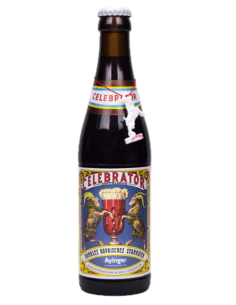
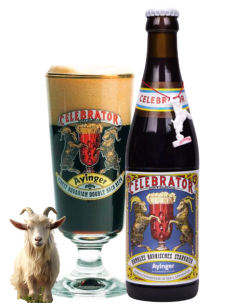
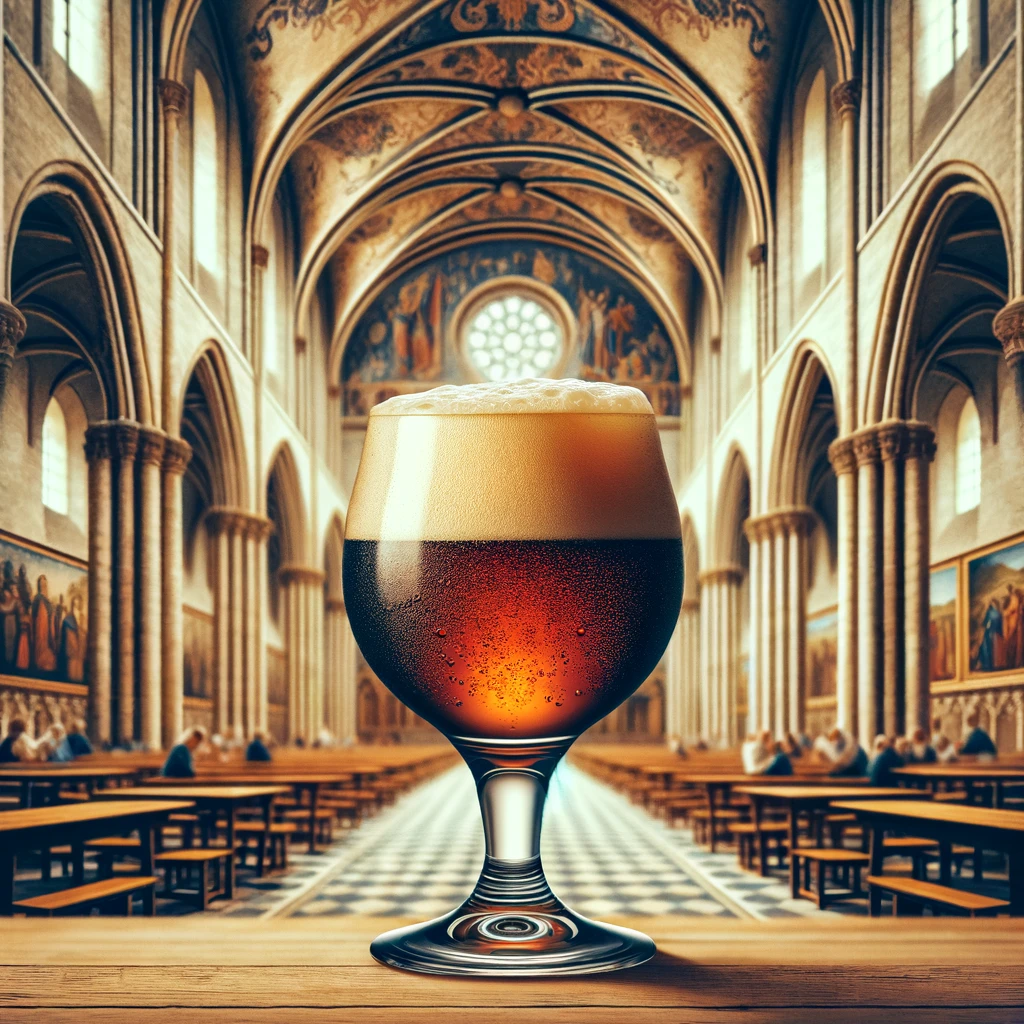
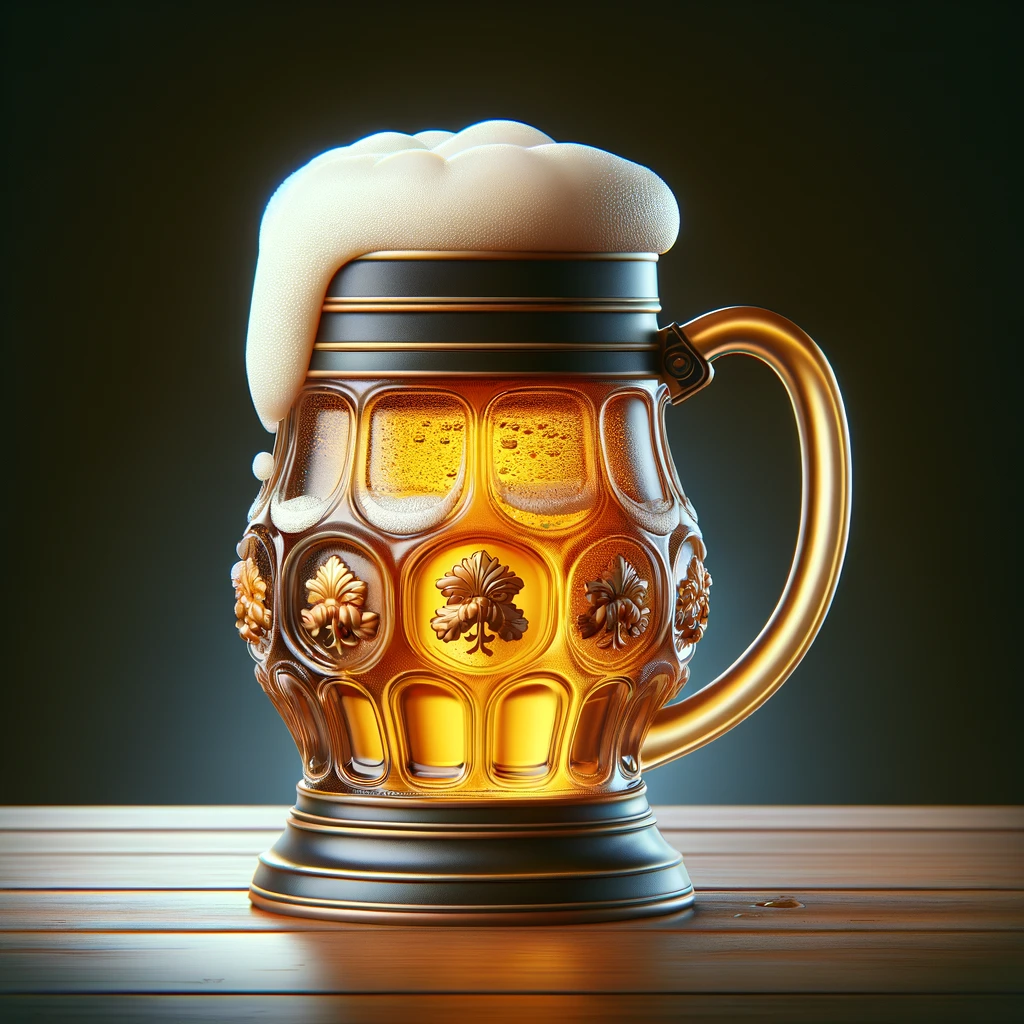
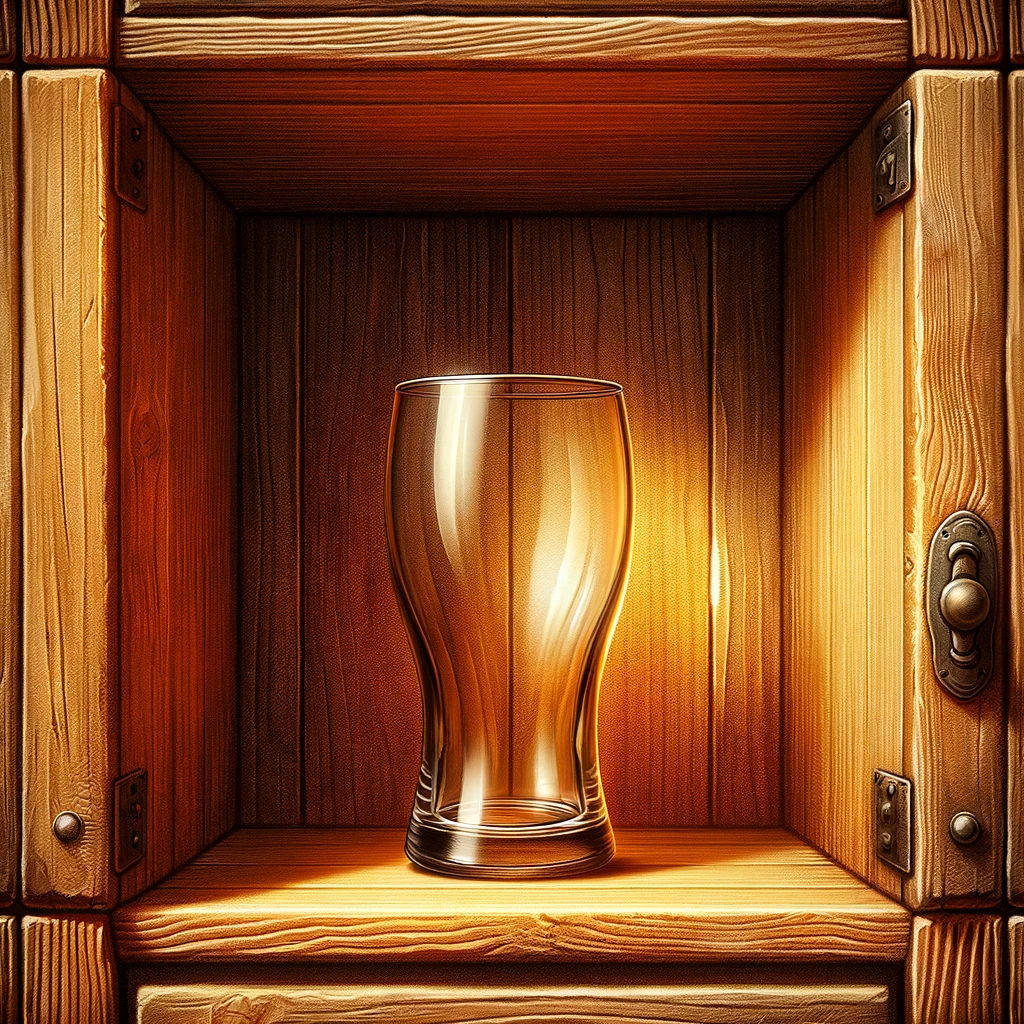
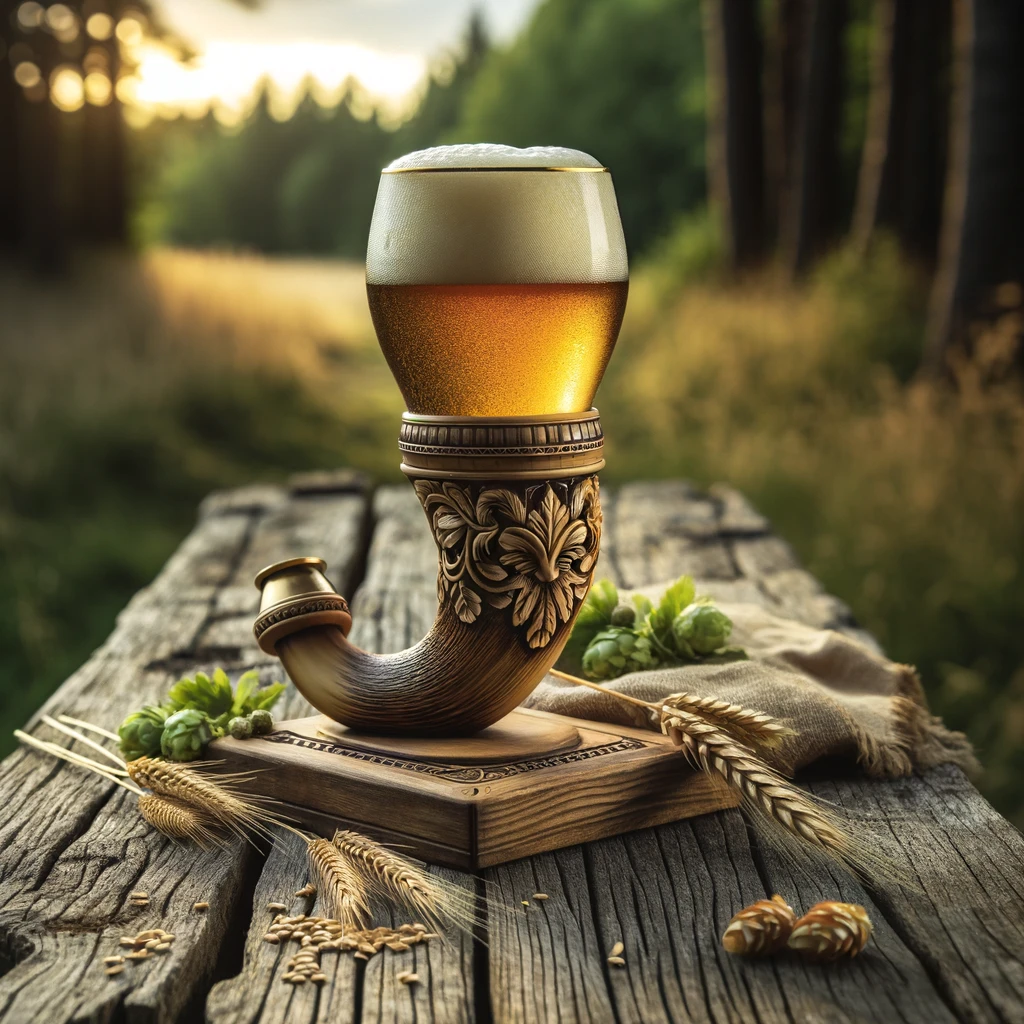
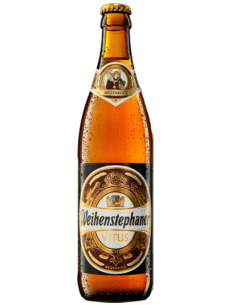
Bock is not a style as such, but rather a nomenclature that highlights its strength due to its alcoholic content and intense malt flavor. This name refers to its place of birth, Einbeck, and also alludes to a "ram", as we have said because of its strong character for a low fermentation lager beer.
The origin of the beer dates back to the 17th century in the German town of Einbeck, which was characterized as an important port where local beer was exported to Europe. The town is located in one of the first regions where hops began to be cultivated on the continent, which undoubtedly made the beer more stable and unique. It was also brewed with the lightest malt available, one-third wheat and two-thirds barley, which made it more delicate than the average beverage. This caused the style named after the German village where it was produced to eventually be replicated by Munich brewers. In 1612, Duke Maximilian I invited Einbeck's best brewer, Elias Pichler, to the city to teach him his techniques; the only change made was accidental and that was in the name since, due to his accent, the locals pronounced Einbeck as ein bock, which gradually became simply bock.