Shopping Cart
There are no more items in your cart





 (1).jpg)

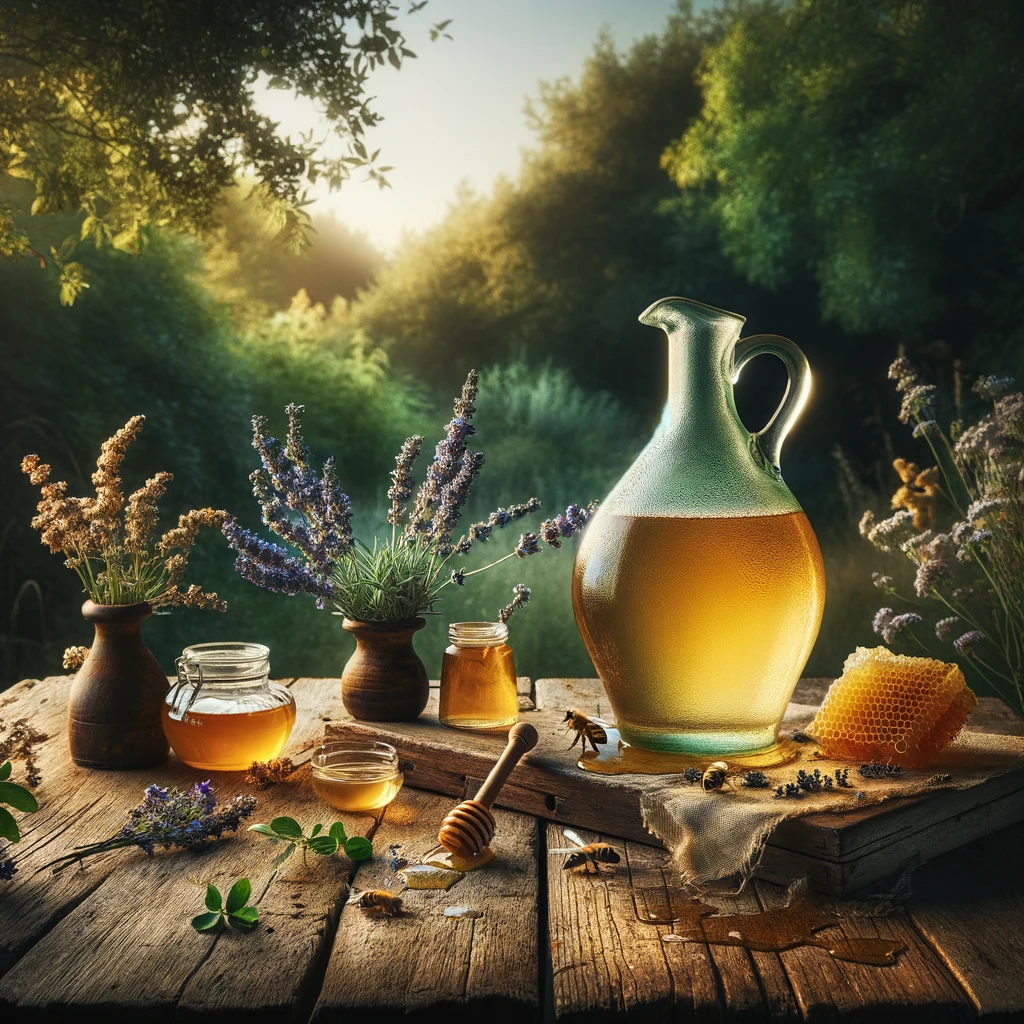



















































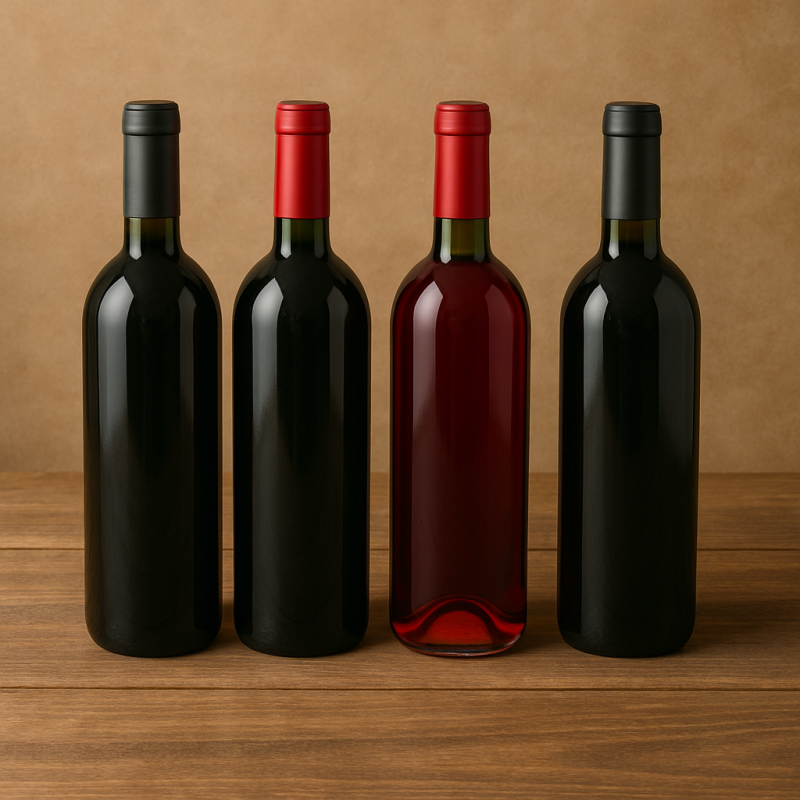
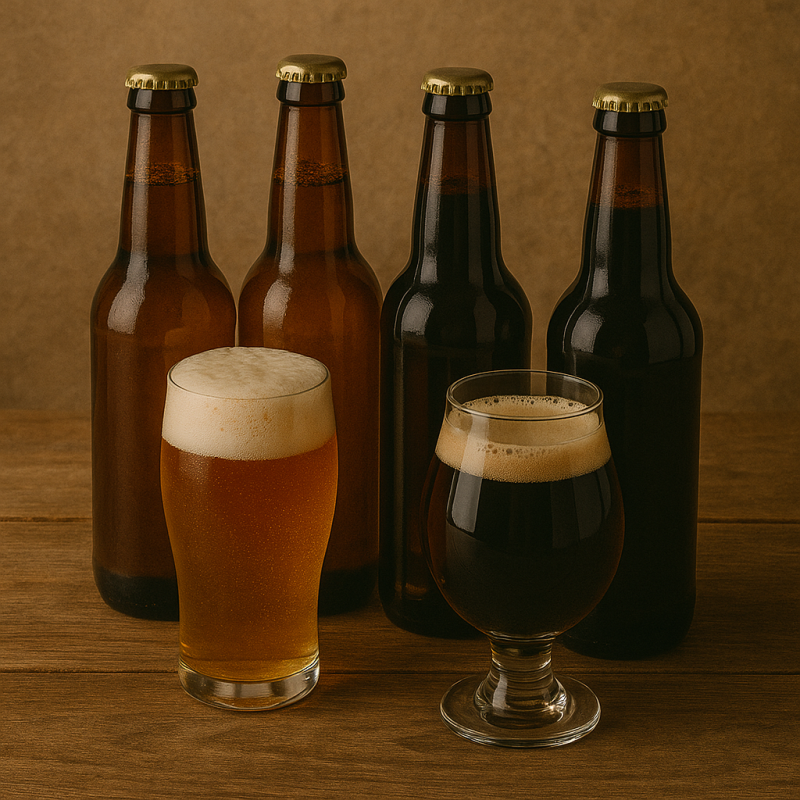
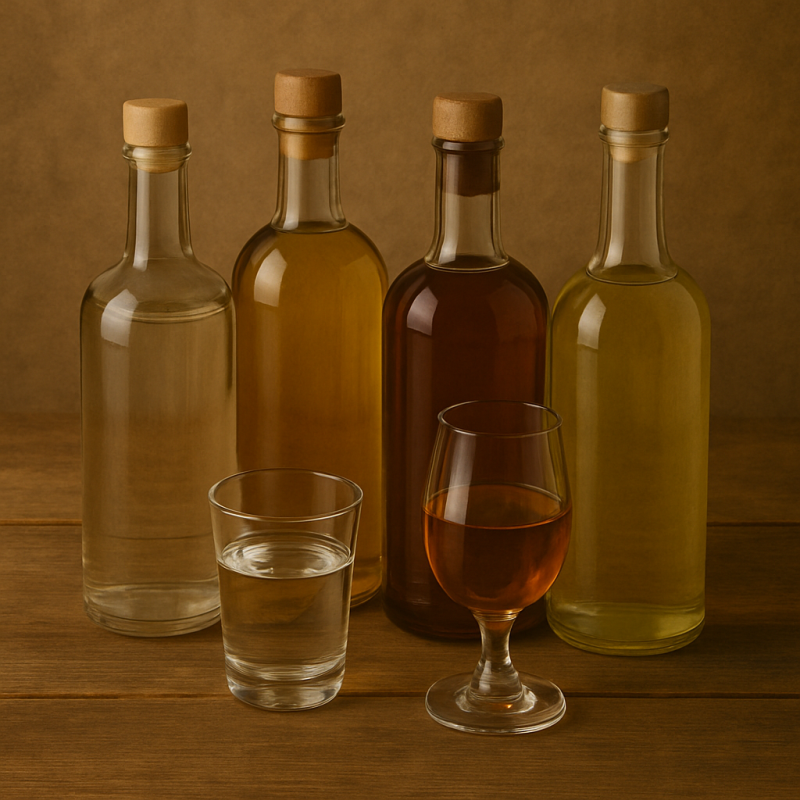
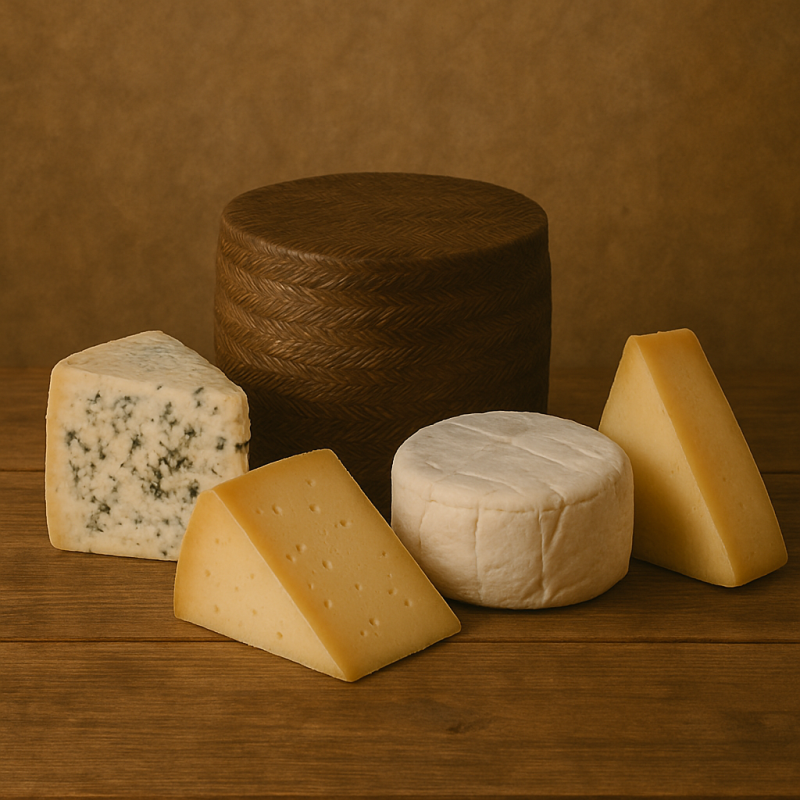
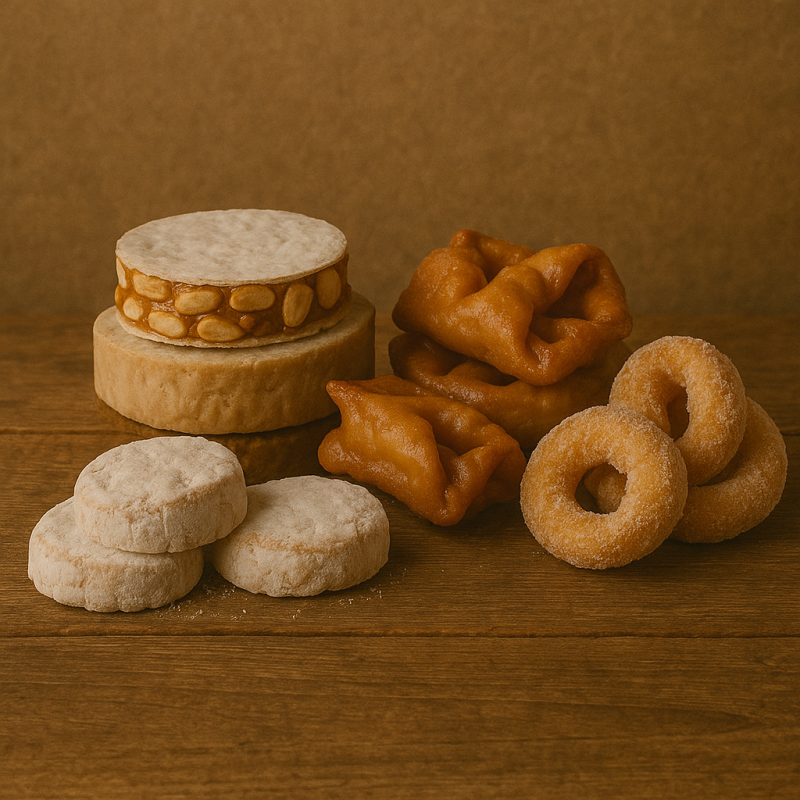
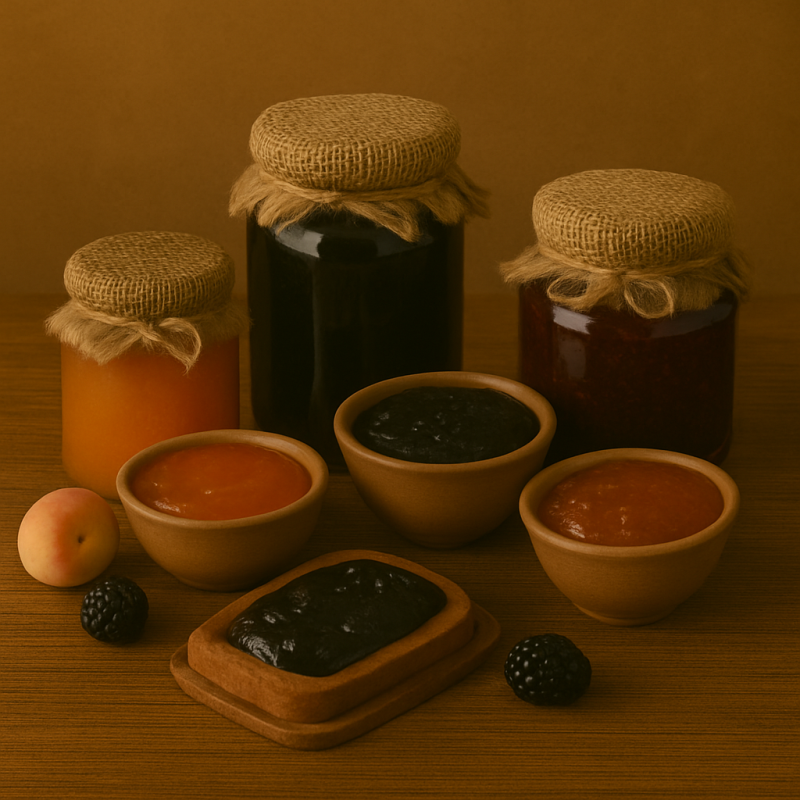



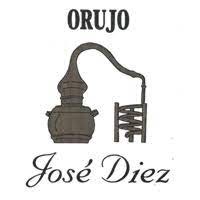

Its Orujos and Liqueurs are made in a traditional and artisanal way by the master distiller Don José Manuel Diez. The pomace is the residue from the pressing of fresh grapes, fermented (fermented pomace) or unfermented (fresh pomace). From the distillation of fermented pomace, pomace spirit is extracted, generically called "orujo". Liqueurs are beverages prepared with an alcoholic base, using fruits, various natural vegetable substances or some other substance that gives them pleasant flavors and textures. Initially, liqueurs were made in the Middle Ages by physicists and alchemists as medicinal remedies, love potions, aphrodisiacs and problem cures. The production of liqueurs dates back to ancient times. Written documents attribute it to the time of Hippocrates who said that the elders distilled herbs and plants in particular for their disease-curing or tonic properties. This was partly true, since, nowadays, it is recognized that kümmel or mint helps digestion.
20372
1000 Items
No reviews
Comments (0)
No customer reviews for the moment.
Tap to zoom
